Gran Turismo 7 is not really a racing game. It’s a car museum that happens to have a track attached. That’s not a criticism — it’s the highest compliment I can give Polyphony Digital, who have spent 25 years making games for people who love cars, not just people who love driving them.
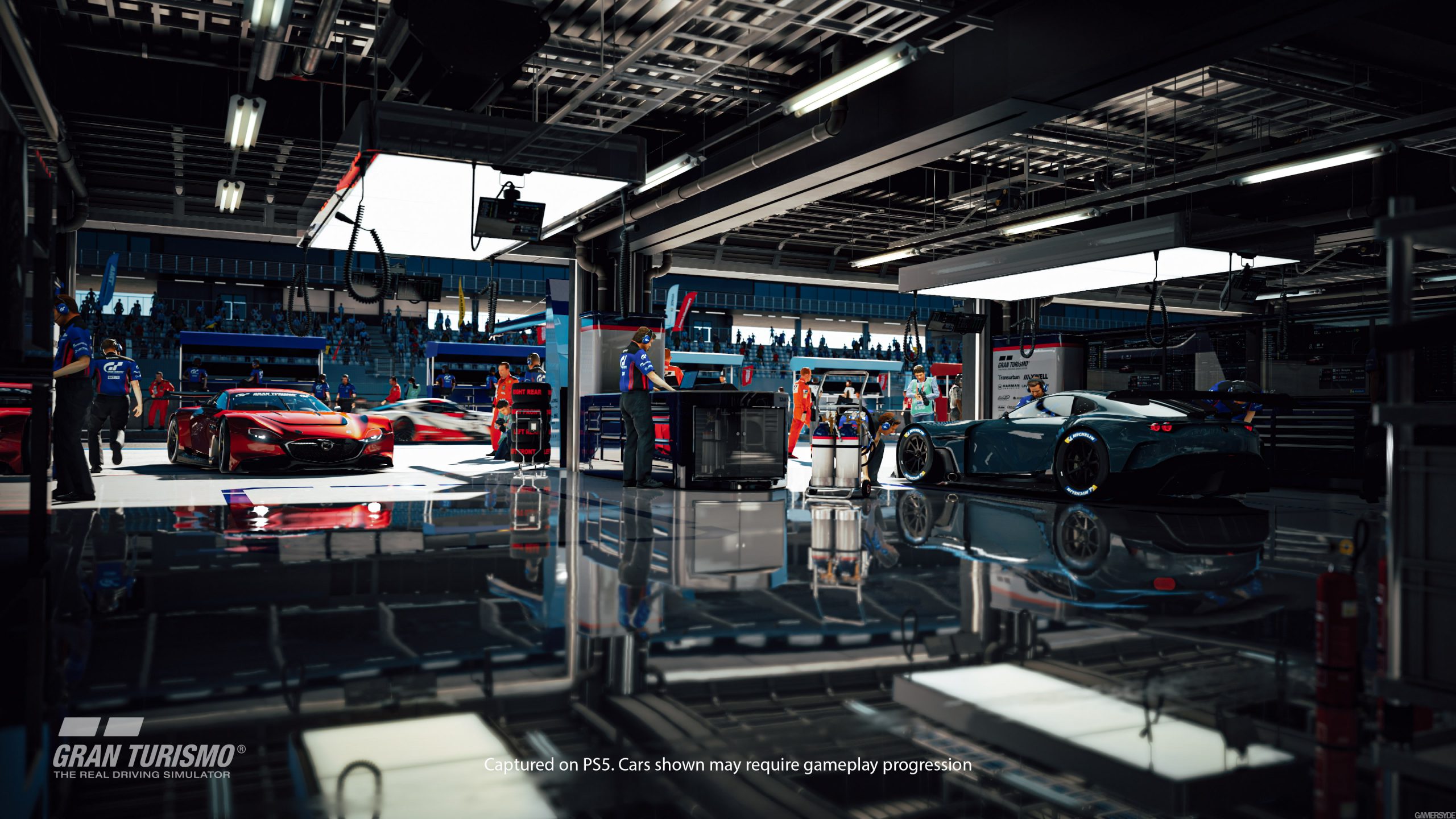
The GT Café is the centrepiece of this philosophy. Instead of a traditional career mode, GT7 presents you with menus — themed around eras, regions, and types of car — and asks you to acquire and experience them in context. The collector who runs each café tells you about the car’s history, its cultural significance, what it meant when it was introduced. I learned things about cars I’d driven a hundred times in other games. You don’t get that in Forza.
The physics model is demanding in a different way to Forza Motorsport. GT7 rewards patience — corner entry, weight transfer, patience on the power — in a way that makes the learning curve steeper but the payoff more satisfying. On a wheel, the T300RS pairs nicely with it, though the force feedback tuning took some time to get right. Once it was, wet weather races on the Nürburgring became the most authentic-feeling experience I’ve had outside of something like Assetto Corsa.
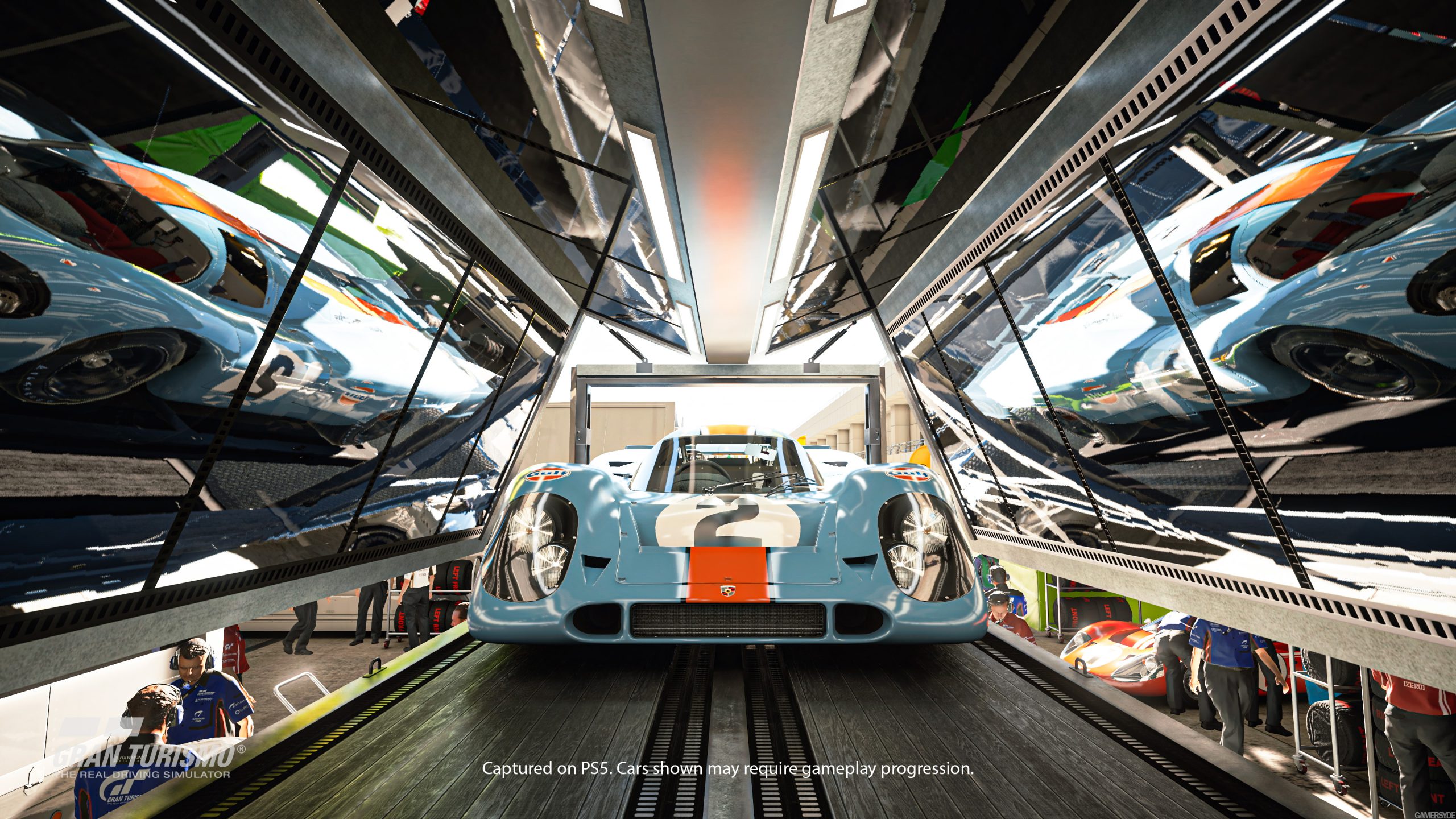
The microtransaction controversy at launch was real, and I’m not going to pretend it wasn’t. Polyphony responded, prices were adjusted, and the game in its current state is considerably more fair. It still has the DNA of a game designed to sell currency, but the core experience is rich enough that it doesn’t ruin the whole thing.
If you’re choosing between GT7 and Forza Motorsport and you have a PS5, the answer depends on what you want. Forza is better for structured competitive racing. GT7 is better for loving cars. I want both things, and I’m grateful both games exist.